
Oh Remember, Remember: Lefkosia, Turkish Republic of Northern Cyprus

Receiving an assignment to train a newly arrived missionary from Holland in the Turkish Republic of Northern Cyprus was both a daunting and exciting task for myself. Though hardworking, enthusiastic, and eager to learn, this new missionary felt unprepared and anxious about her new responsibilities. A few weeks into our assignment, we taught a lesson to two brothers who had complex doctrinal questions. The discussion quickly shifted into an intense Q&A session in which most questions were directed toward my new companion. Rather than guiding the conversation or stepping in to support her, I stayed silent, leaving her to struggle and sometimes come up empty. On our journey home, she broke down in tears, feeling overwhelmed, inadequate, and frustrated with herself and with me.

Instead of becoming defensive, I sat in silence and gave her space to process her feelings. As she expressed her frustration, I reflected on my own early experiences as a new missionary. Remembering that I, too, had started with a very limited knowledge of church doctrines or scriptures. Recognizing my failure to support her, I took full accountability and apologized. I acknowledged that my passive approach had undermined her confidence rather than building her up as a peer. Together, we established a daily 30-minute joint study session where we read scriptures, asked each other difficult questions, and practiced teaching concepts in a low-stakes environment. This goal helped us to adopt an empathetic, supportive leadership style that focused on active collaboration, patience, and mutual growth.
This shift in approach rapidly built her doctrinal knowledge and teaching confidence, allowing her to handle complex discussions with ease. Our joint study system transformed our partnership into an exceptionally effective team, and we went on to serve together successfully for many months. The mutual trust built during this vulnerable experience laid the foundation for a deep, enduring friendship that continues to this day.
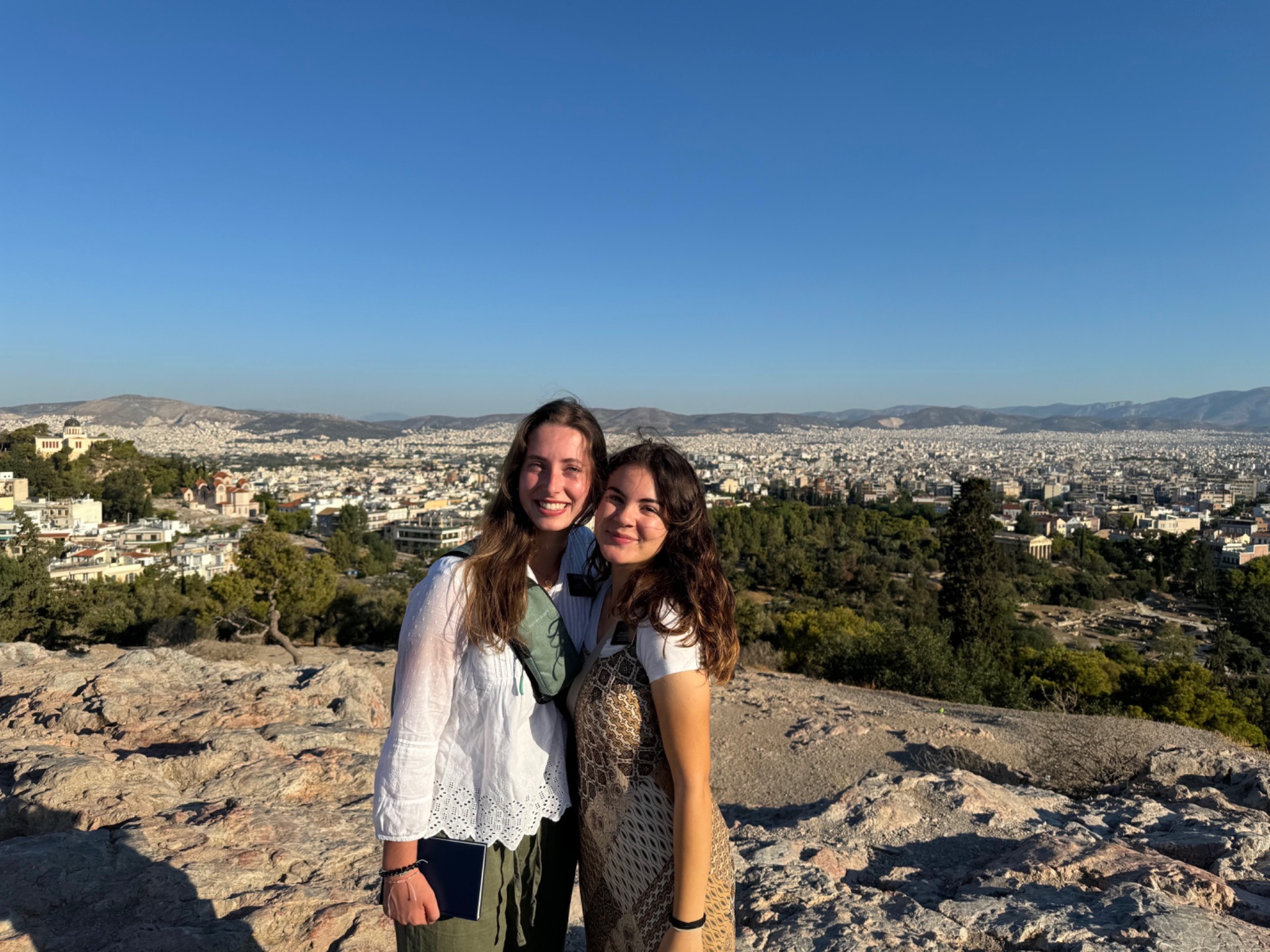
This experience reshaped my understanding of leadership by demonstrating that effective guidance requires emotional intelligence, self-awareness, and active support. True peer mentorship is not about demonstrating authority or expecting immediate mastery, but about meeting people where they are, taking accountability for team dynamic failures, and creating safe environments for continuous learning.